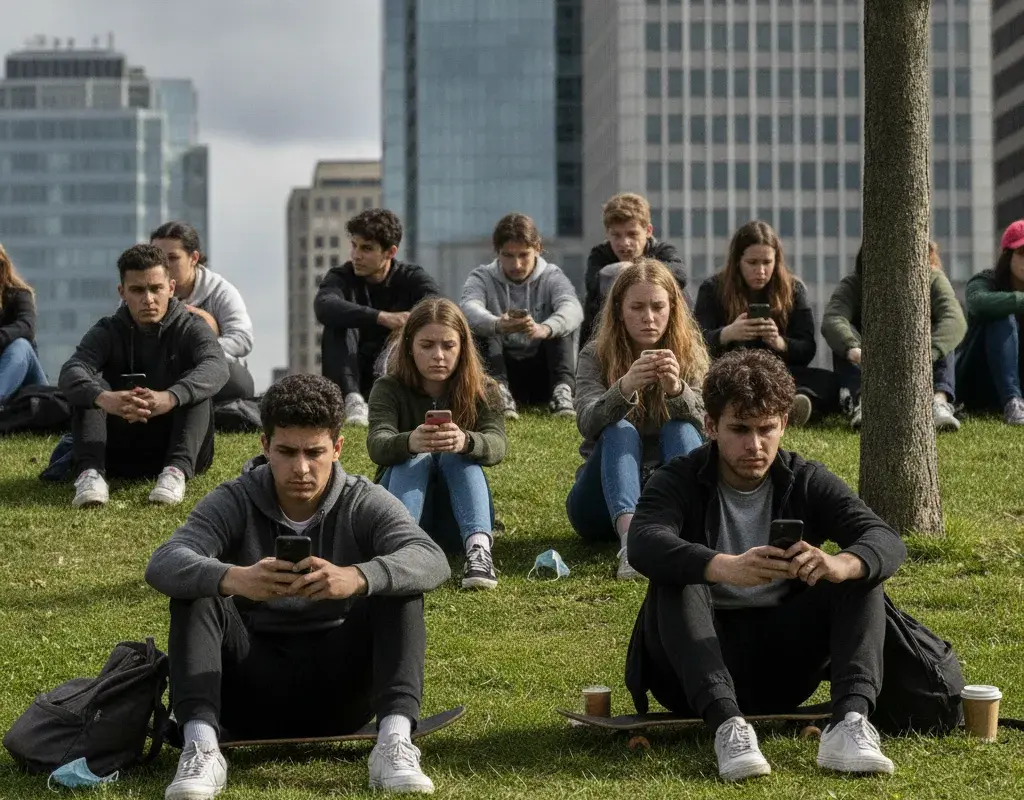
A massive new study spanning 92 countries has sent a stark warning about the state of global mental health, revealing that well-being is languishing even in the wealthiest nations. According to research published in Social Indicators Research, which surveyed 50,000 people, there is a particularly concerning trend among young people. Unlike previous generations who reported higher levels of mental stability, today’s youth are struggling with diminished vitality and emotional resilience, dragging down overall global scores.
Lead author Kai Ruggeri from Columbia University describes these findings as a flashing red light rather than a mere suggestion for policy change. He argues that populations are not just worried about an uncertain future but are actively struggling in the present. Ruggeri insists that leaders must move past vague promises and instead commit to concrete actions, such as protecting livelihoods against AI-driven job losses and tackling the root causes of burnout among working-age adults. While access to clinical care remains vital, the study suggests that systemic economic and social stability are equally essential components of mental wellness.
Interestingly, the data reveals a strange paradox where individuals still feel positive about their personal relationships and sense of meaning despite their overall decline in well-being. This creates what researchers call an optimism gap, suggesting that while people may like who they are and whom they love, they are being crushed by external forces beyond their control, such as political instability and economic volatility. It appears that internal self-esteem is remaining intact even as external pressures drive up rates of stress and anxiety.
The survey also highlighted clear links between resources and resilience. Higher income and education levels were consistently associated with better mental health outcomes across various regions. Additionally, those living in larger households or working in hybrid roles tended to fare better than those isolated at home or working fully remotely. Although the authors noted some potential biases in how different age groups volunteered for the online survey, they concluded that these factors cannot explain away the widespread evidence of a global crisis in resilience.