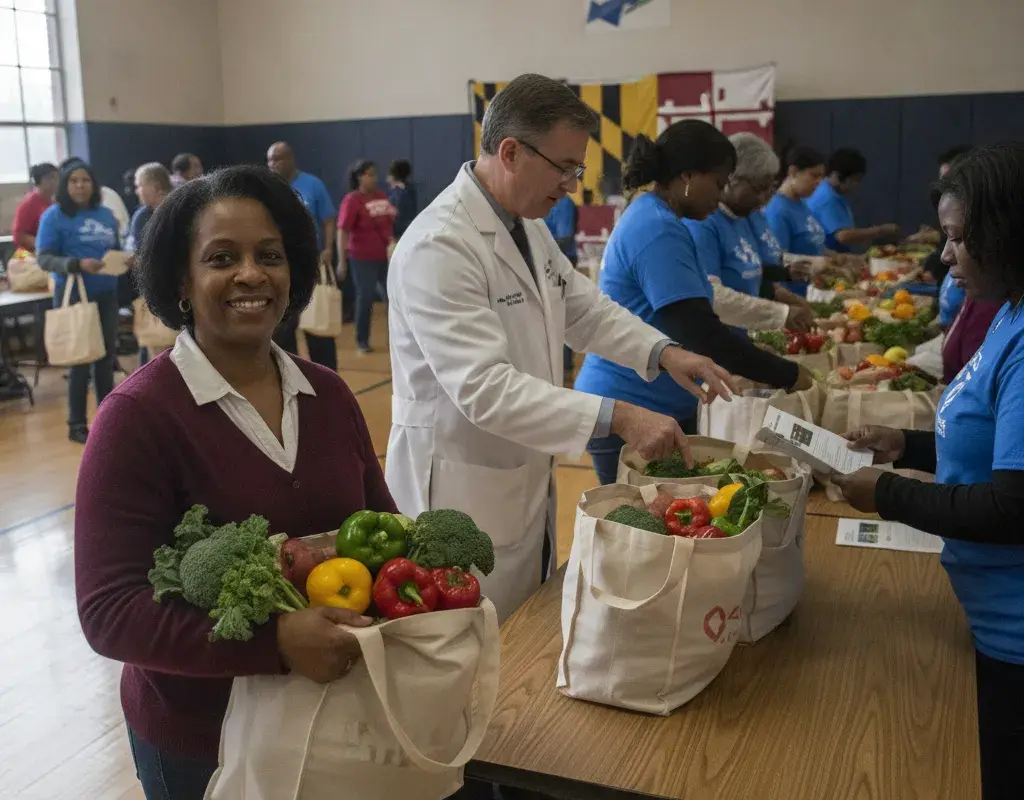
Maryland health officials are reimagining the traditional pharmacy by issuing prescriptions that arrive in grocery bags rather than pill bottles. The Maryland Department of Health recently announced ten million dollars in grants distributed across fourteen communities to combat chronic diseases through targeted nutrition. By treating food as medicine, the state aims to help residents struggling with diabetes, hypertension, and malnutrition by removing the financial and physical barriers that often stand between patients and a healthy diet.
Unlike a standard food pantry, the ProduceRx initiative provides personalized nutritional interventions tailored to a patient’s specific medical needs. A person battling high blood pressure might receive a low-sodium package, while someone managing diabetes receives options low in sugar. In Baltimore, a coalition including the city health department and MedStar Health received nearly two million dollars to provide six months of delivered food to those facing both chronic illness and food insecurity. According to Health Secretary Dr. Meena Seshamani, the goal is to build more resilient communities by addressing the fundamental link between diet and long term wellness.
The strategy has already shown promising results in Washington County through Meritus Health’s Food Farmacy program. Since launching in early 2025, the program has served fifteen hundred patients by providing weekly thirty pound bags of fresh produce and proteins. To ensure these ingredients actually make it onto the dinner table, Meritus offers bi monthly cooking classes that teach patients how to prepare unfamiliar vegetables or turn black beans into healthy desserts. This holistic approach moves beyond simple charity, focusing instead on sustainable lifestyle changes guided by medical professionals.
Looking toward the future, Meritus is integrating this nutritional philosophy into its own medical school curriculum so that the next generation of physicians views diet as a primary tool for healing. Students are currently assisting in formal assessments to measure exactly how these food prescriptions improve clinical outcomes. As patients report feeling healthier and more energized, organizers hope this data will secure further funding to expand the model statewide, proving that sometimes the most effective medicine grows in a garden rather than being synthesized in a lab.