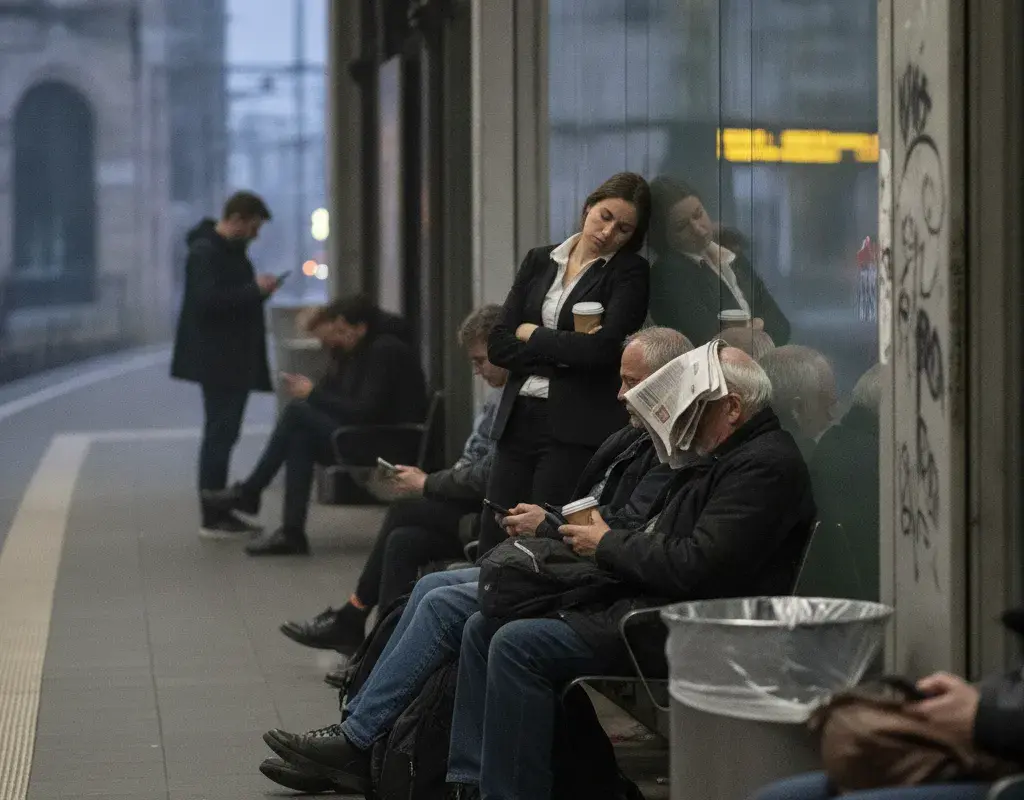
Europe is facing what experts describe as a perfect storm of sleep deprivation, driven by a combination of environmental decay and the relentless pace of modern life. In a sobering new paper published in the Journal of Sleep Research, scientists from the European Sleep Research Society warn that sleep health has evolved into a critical public health crisis. Led by Dr. Fran Pilkington-Cheney and Dr. Adrian Michalak, the research suggests that our ability to recover overnight is being eroded by forces far beyond individual willpower, ranging from crumbling housing standards to the psychological toll of global instability.
The researchers point to a disturbing intersection between climate change and urban living as a primary culprit. As cities grow denser and heatwaves become more frequent, residents in lower-quality housing are finding it nearly impossible to maintain cool, quiet environments conducive to rest. This physical discomfort is compounded by noise pollution and poor air quality, creating a cycle of disrupted sleep that leads directly to deteriorating heart health and increased mental health struggles. For those displaced by conflict or economic hardship, these disruptions often become permanent fixtures of their lives, lasting for years after the initial trauma.
Beyond the environment, the rise of digital culture has introduced new anxieties regarding how we slumber. The study highlights the emergence of orthosomnia, a condition where individuals become obsessively preoccupied with achieving perfect sleep scores via wearable trackers. This trend toward sleepmaxxing—an attempt to optimize every minute of rest through unverified online advice—often creates more stress than relief. When combined with a twenty four hour economy characterized by constant connectivity and shift work, the boundary between professional demands and personal recovery has effectively vanished.
To combat this decline, the authors argue that sleep must be treated as a systemic political and social issue rather than a private luxury. They are calling for an urgent coordination between policymakers, city planners, and employers to regulate working hours and improve urban infrastructure. From expanding the workforce of trained sleep professionals to cracking down on digital misinformation, the goal is to move toward a society that prioritizes biological needs over productivity metrics. Without this unified approach, researchers warn that the continent’s collective exhaustion will only deepen in the coming decade.